
NJ State Incentive Aware • Four-Season Planning
$900–$1,900+
Typical annual savings ranges depend on current runtime behavior, utility profile, and solar offset conditions.
SREC / SuSI Aware
Built for homeowners tracking New Jersey’s mature clean-energy policy ecosystem and practical incentive opportunities.
Four-Season Fit
Hybrid architecture supports summer demand, shoulder-season circulation, and winter-prep reliability planning.
Harness the Jersey Sun for a Crystal-Clear Pool and Lower Utility Drag.
New Jersey pool owners live in one of America’s highest electricity-cost environments, and that reality makes pump efficiency a direct household strategy—not a niche upgrade. Our SunRay hybrid AC/DC systems are engineered for the Garden State’s real operating rhythm: peak-summer circulation, spring and fall shoulder-season maintenance, and winterization transitions that still require intelligent planning. This is premium pool performance with practical economics.
The Collection
High-Performance Solar Pumps for New Jersey Utility Reality
Every model below is configured for direct checkout with exact current pricing. Complete kit and pump-only options are shown side by side, so you can choose the path that fits your installation plan, property constraints, and timeline before peak-season demand arrives.
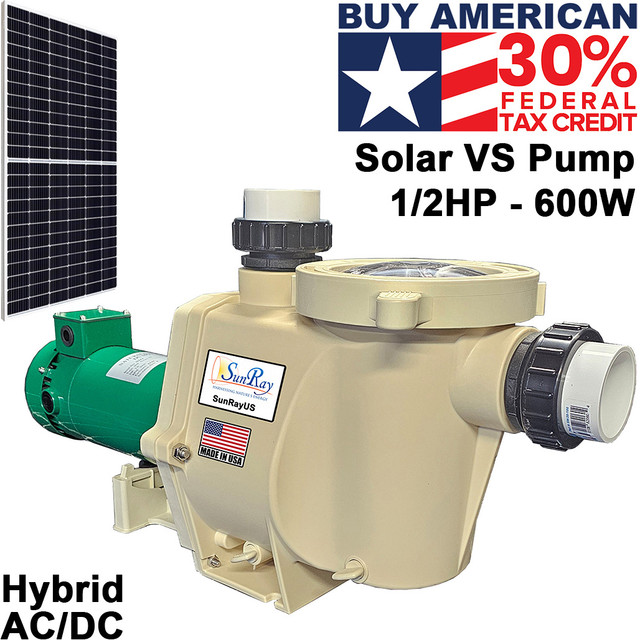 Eco-Star
SunRay 1/2HP Hybrid AC/DC
Best for pools up to 10,000 gallons
Perfect for compact in-ground footprints, plunge pools, and New Jersey homeowners starting with efficient daytime circulation and staged expansion options.
Complete Solar Kit$2,699
Pump Only$1,299
- Low-noise performance for neighborhood-friendly operation.
- Strong first step for utility-bill control in high-rate markets.
- Ideal entry model for four-season ownership planning in NJ.
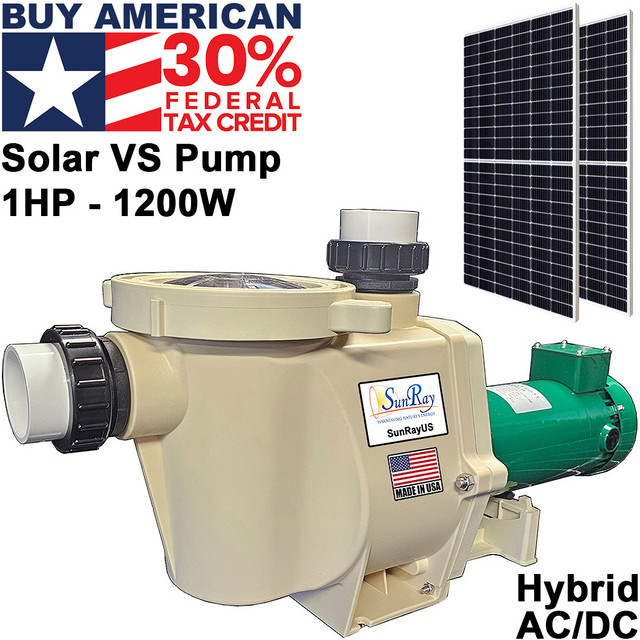 Most Popular
SunRay 1HP Hybrid AC/DC
Best for pools up to 20,000 gallons
The Garden State favorite for family in-ground pools. Delivers confident turnover rates with practical installation flexibility and dependable seasonal economics.
Complete Solar Kit$2,999
Pump Only$1,499
- Balanced horsepower for suburban NJ usage patterns.
- Great midpoint between upfront investment and annual savings.
- Popular model for four-season operating confidence.
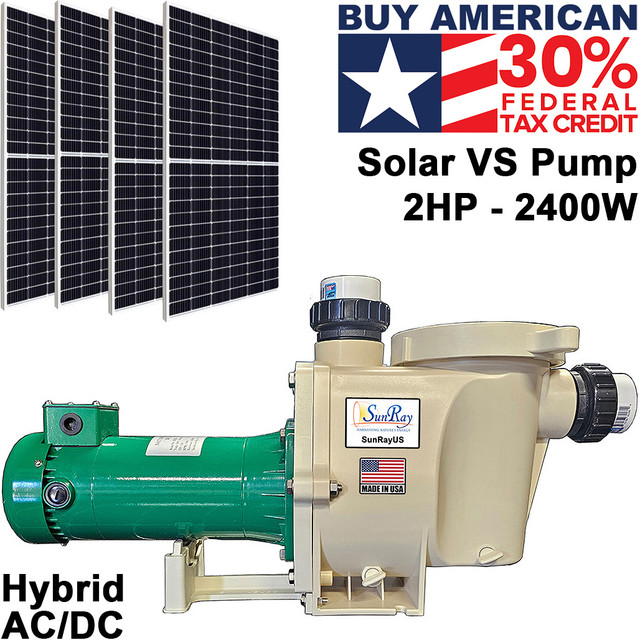
SunRay 2HP Hybrid AC/DC
Best for pools up to 35,000 gallons
Built for larger pool systems, attached spas, and higher flow requirements where seasonal demand can spike and reliability must remain non-negotiable.
Complete Solar Kit$3,999
Pump Only$2,699
- Supports robust circulation strategy for feature-rich pools.
- Fits homeowners planning long-horizon utility reduction.
- Strong option for larger family and multi-use schedules.
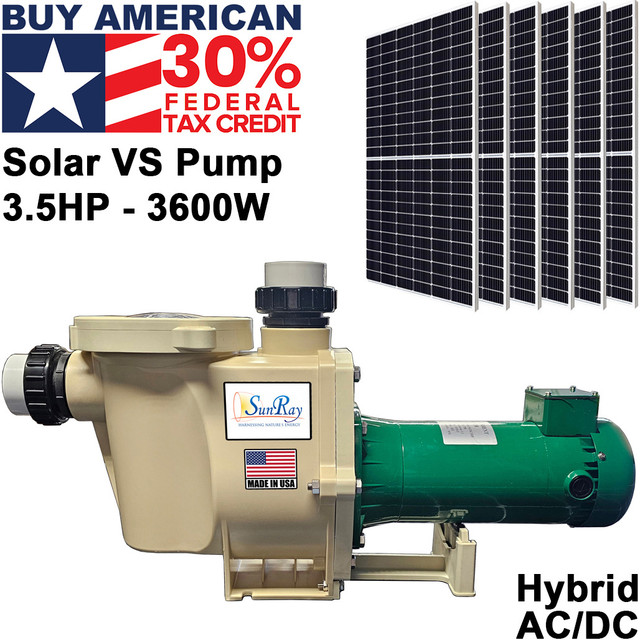 Elite Grade
SunRay 3.5HP Hybrid AC/DC
Best for pools 35,000+ gallons
Flagship output for estate-scale pools, longer plumbing runs, and premium properties that require significant headroom and all-season confidence.
Complete Solar Kit$7,999
Pump Only$2,999
- High-demand flow support for complex systems.
- Commercial-grade feel for luxury property operation.
- Built for long-term premium ownership economics.
Exact live pricing is shown above and checkout links go directly to Square with no intermediate popup flow. In New Jersey’s high-cost utility environment, most homeowners prioritize dependable annual operating control over short-term guesswork. If you want help matching gallons, turnover goals, property style, and seasonal usage behavior, use the estimator and contact form below for a practical recommendation.
Wall of Fame
Real Customers. Real Savings.
Video testimonials from real SunRay users. No fluff, no stock quotes—just homeowner outcomes and installation experiences.
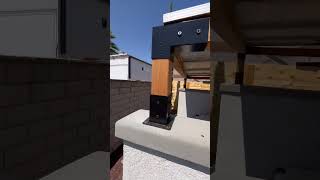 ▶
▶
⭐ Customer Review: Lower monthly operating cost and cleaner daily runtime strategy.
 ▶
▶
🔧 Installation Guide: How homeowners approach real-world pump upgrades.
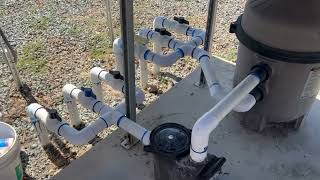 ▶
▶
⭐ Customer Review: What changed after switching from legacy pump hardware.
 ▶
▶
⭐ Testimonial: Reliability and quality-of-life improvements from quieter operation.
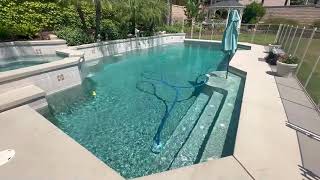 ▶
▶
⭐ Customer Review: Why direct checkout and clear pricing simplified buying decisions.
 ▶
▶
⭐ Customer Review: Practical outcomes from hybrid AC/DC planning and proper sizing.
Smart Savings
Stop Burning Cash on Pool Circulation in a High-Rate State.
New Jersey utility bills can punish inefficient pump runtime faster than in lower-cost markets. This estimator is designed around Garden State conditions, including shoulder-season operation and region-specific behavior. Use it as a practical baseline before choosing model size and checkout path.
☀️ Try Our Interactive Savings Explorer
Answer a few quick questions about your pool and see exactly how much you could save switching to solar — personalized for New Jersey utility rates and incentives.
Explore Your Savings →Takes about 2 minutes · No email required
New Jersey Exclusive
SuSI, SREC Awareness, and Garden State Incentive Strategy
New Jersey homeowners are often more policy-literate than national averages because utility pressure is real. We keep your plan grounded in core economics first, then help map applicable incentive pathways where they legitimately improve your long-term outcome.
SuSI / Successor Program Awareness
New Jersey’s successor framework around distributed solar created a more mature homeowner conversation. We treat this as planning context—not hype—so you build a project that works even before upside assumptions.
Sales Tax Exemption Context
Solar-energy equipment purchases in New Jersey are generally aligned with state-level sales-tax exemption logic, improving upfront economics when components and purchase structure qualify.
Property Tax Treatment
New Jersey policy has long recognized renewable upgrades in ways that reduce fear of immediate tax-penalty behavior, helping homeowners focus on operational savings and long-horizon value.
How we frame incentive conversations in real-world NJ consults
We avoid the “free equipment” pitch because serious homeowners deserve better. Incentives are best understood as an accelerator layered onto a sound system-design decision. First, we map gallons, flow goals, seasonal runtime, and utility baseline. Second, we identify where federal and New Jersey pathways may apply based on current rules. That process protects you from overpromising and gives your decision long-term resilience if policy details evolve.
New Jersey’s clean-energy environment rewards informed owners. If your system is sized correctly and your operating strategy is disciplined, policy support can improve already-strong economics. But if the base plan is weak, no incentive structure can fully rescue poor sizing or unrealistic assumptions. We build from the fundamentals outward.
Garden State operating factors that matter before any rebate discussion
- High utility rates make every avoided kWh more valuable than in low-cost markets.
- Shoulder-season runtime is often underestimated, especially in spring opening and fall cleanup windows.
- North, central, south, and shore properties can have different exposure and occupancy patterns.
- Four-season planning prevents one-size-fits-all advice and improves ownership consistency.
- SREC/SuSI awareness works best when paired with accurate baseline economics and realistic expectations.
- Long-term homeowners usually benefit most when strategy prioritizes predictability, not headline claims.
Independent NJ Specialist
Built for New Jersey Homeowners, Not Generic National Templates
Most pool-equipment pages recycle the same copy and swap city names. We do the opposite: New Jersey-first context, high-integrity pricing, and recommendations based on local utility economics, four-season ownership behavior, and realistic long-term operation.
Why local focus changes outcomes
New Jersey pool ownership has a distinct rhythm. Summer demand is obvious, but true annual cost is shaped by spring opening, shoulder-season maintenance, weather variability, and winterization planning. In higher-rate states, those “in-between” periods can quietly become expensive if pump strategy is not disciplined. A local-first model means we evaluate total operating behavior, not just hottest-month snapshots.
We also design recommendations for the way homeowners actually make decisions: balancing budget, reliability, timeline, resale narrative, and the desire to avoid technical surprises. This is premium equipment with practical guidance, so your system makes sense now and five years from now.
Who benefits most from this approach
- Homeowners replacing noisy high-draw legacy pumps before another expensive summer.
- Families with in-ground pools who want better operating control and less bill volatility.
- Shore property owners managing concentrated seasonal demand and occupancy swings.
- Buyers aligning with New Jersey clean-energy direction while keeping reliability non-negotiable.
- Long-horizon owners who value practical savings over one-season marketing promises.
Service footprint across the Garden State
We support homeowners throughout New Jersey with model guidance that reflects regional realities: tighter lots and mature neighborhoods in the north, balanced suburban family usage through central counties, extended mild-season behavior in the south, and occupancy-driven peaks in shore communities. The platform is consistent, but recommendations are tuned to your property and operating goals.
Bergen County
Morris County
Somerset County
Essex County
Union County
Middlesex County
Mercer County
Monmouth County
Ocean County
Burlington County
Camden County
Atlantic County
Cape May County
Gloucester County
NJ Field Guide
A Four-Season New Jersey Guide to Smarter Solar Pump Decisions
The biggest mistake we see is importing advice from warm-weather markets with different utility economics and operating cadence. This guide is intentionally New Jersey-specific for homeowners who want practical strategy, transparent assumptions, and long-horizon clarity.
In New Jersey, pool ownership can be both a lifestyle asset and a recurring budget variable. Summer run windows are only part of the picture. Opening cycles, post-storm cleanup, shoulder-season filtration, and winter transition tasks all impact yearly operating totals. That is why we frame model selection around total seasonal behavior, not just a few peak months. Hybrid AC/DC systems help you capture solar value during daylight windows while maintaining confidence when weather and usage patterns shift. In high-rate states, these incremental advantages compound into meaningful annual savings and better ownership predictability.
1) Climate reality: hot summers, cold winters, and shoulder seasons
Garden State pool maintenance follows a true four-season rhythm. Peak summer requires strong turnover and reliable daily circulation, but spring and fall still carry meaningful runtime demands. A solar-first hybrid strategy acknowledges this reality by optimizing high-value daylight periods while preserving continuity when conditions shift.
2) Utility economics in New Jersey amplify every efficiency decision
In lower-cost states, owners can sometimes ignore pump inefficiency for longer. In New Jersey, that usually becomes expensive quickly. Higher electricity rates turn pump runtime into a strategic household lever, so right-sizing and disciplined scheduling produce disproportionate value.
3) Suburban and shore scenarios are not interchangeable
A Morris County family pool and a Monmouth shore property can have very different demand curves, occupancy patterns, and operating priorities. Effective recommendations reflect those distinctions rather than forcing one-size-fits-all assumptions.
4) Incentives should accelerate, not replace, sound design
SuSI/SREC and broader clean-energy pathways can improve long-term economics, but core project viability should never depend on optimistic policy interpretation. We design for practical baseline success first, then stack eligible upside where appropriate.
5) Seasonal transitions influence true annual cost
Opening and closing periods are often undercounted in budget planning. A quality hybrid setup can make these transitions more predictable, reduce operational friction, and preserve confidence across changing conditions.
6) Property-value narrative in utility-sensitive markets
Buyers in many NJ markets evaluate recurring ownership costs closely. Energy-efficient pool circulation can support a stronger maintenance and operating narrative, especially when homeowners document installation details and long-term runtime strategy.
7) Sizing discipline prevents expensive mistakes
Buying by headline horsepower alone can create frustration. Oversizing adds unnecessary cost and complexity; undersizing can undermine water quality during peak demand. Pool volume, plumbing resistance, feature load, and seasonal goals should all inform final selection.
8) Why independent local specialization matters
National template scripts often miss local operating details. New Jersey-focused guidance means recommendations are grounded in real climate behavior, local utility pressure, and homeowner expectations—not copy recycled across unrelated geographies.
9) Long-horizon planning beats month-one optics
Pump decisions should be evaluated across multiple seasons, not single billing cycles. Over a multi-year horizon, disciplined runtime and efficient equipment can materially reduce annual ownership burden and improve predictability.
10) Environmental alignment without reliability compromise
Many NJ homeowners want cleaner-energy participation but refuse all-or-nothing risk. Hybrid AC/DC design supports that practical middle path: maximize solar contribution when available and maintain dependable operation when conditions fluctuate.
NJ-Specific FAQ
Frequently Asked Questions from New Jersey Pool Owners
Clear, direct answers built for homeowner research and AI-assisted search behavior. If your setup is unique, send your details in the contact form and we’ll map your best model path.
Will a solar pool pump still make sense in New Jersey with cold winters?
Yes. New Jersey decisions should be based on annual operating reality, not just winter weather. Most owners run meaningful circulation during opening, active summer use, and shoulder-season maintenance windows. Hybrid AC/DC architecture captures daytime solar value while maintaining continuity as conditions shift.
How do New Jersey electric rates affect payback?
In high-rate utility environments, every avoided kilowatt-hour carries higher financial value. That often improves practical payback dynamics compared with lower-cost states, provided system sizing and runtime habits are disciplined.
What is the difference between complete kit and pump-only?
Complete kit is best for homeowners who want integrated solar-first deployment with coordinated components. Pump-only is ideal for staged transitions or existing panel strategies. Both paths work when sizing logic remains coherent.
Are SREC/SuSI pathways relevant to this purchase?
Potentially, depending on project structure and current eligibility details. We treat incentive pathways as upside layered onto a system that already makes economic sense on core operating fundamentals.
Can this work for Jersey Shore properties with seasonal occupancy swings?
Absolutely. Shore properties are often excellent candidates when horsepower and runtime strategy are matched to demand intensity. Hybrid operation supports daytime offset while preserving reliability during variable usage periods.
How do I choose between 1/2HP, 1HP, 2HP, and 3.5HP?
Start with gallons and turnover goals, then account for plumbing layout and feature load. In New Jersey, wrong sizing can be especially costly because utility rates amplify inefficient runtime behavior.
Does modern pump hardware usually reduce noise?
Many homeowners report substantial quality-of-life improvement versus aging equipment. Exact acoustics depend on installation context, but updated efficient systems are typically more neighborhood-friendly.
Can my existing pool professional install these models?
In most cases, yes. We provide clear model details and support practical implementation planning. Follow local code requirements and use qualified professionals for electrical and solar-related work.
Book a Free Consultation
Get Model Guidance, Savings Clarity, and Direct Checkout Support
Ready to move now? Use any product checkout link above. Prefer a tailored recommendation first? Share your details below and we’ll map your best-fit path for New Jersey conditions.
Fastest path: speak with a specialist
Use the phone badge below to jump to your preferred support path. We’ll walk through pool volume, turnover goals, runtime assumptions, and kit vs pump-only options with no fluff.

- Statewide New Jersey homeowner support.
- Horsepower matching for practical four-season operation.
- Guidance on incentives, economics, and next-step timing.